

When you have plantar fasciitis or any other condition that makes walking and moving on your feet uncomfortable, having the right footwear for every occasion allows you to enjoy life to the fullest.
There are a few traits you should look for when shopping for rain boots for plantar fasciitis: arch support, flexibility, shock absorption, and removable footbeds. Whether or not you can put insoles in rain boots is often overlooked, but it can be the difference between loving your rain boots and dreading putting them on.
The Causes of Plantar Fasciitis
Understanding the sources of plantar fasciitis can help people know what to value in shoes when they’re looking for support. The plantar fascia is a band of tissue that runs from your toes to your heel. It absorbs vibrations when you walk and helps to support the foot arch.
There are a few things that can cause plantar fasciitis, but it often comes down to excess tension or stress. High-intensity workouts, running, or sports that involve fast movement and jumping can be a cause, as can foot shape and shoe support.
One of the reasons it’s so important to wear the right shoes is so your arch is properly supported. Having high natural arches or flat feet can affect where pressure is put on your plantar fascia, and wearing shoes with incorrect or weak support can do the same.
What to Look for in Boots When You Have Plantar Fasciitis
When choosing shoes to help ease your symptoms of plantar fasciitis, there are several features you should look for to maximize your comfort, including:
Arch Support
When the plantar fascia is inflamed, it can make walking and running painful and can make it difficult for your foot to absorb shock as you move. Boots with arch support can help your plantar fascia absorb shock when you move, which might help to ease pain.
Flexibility
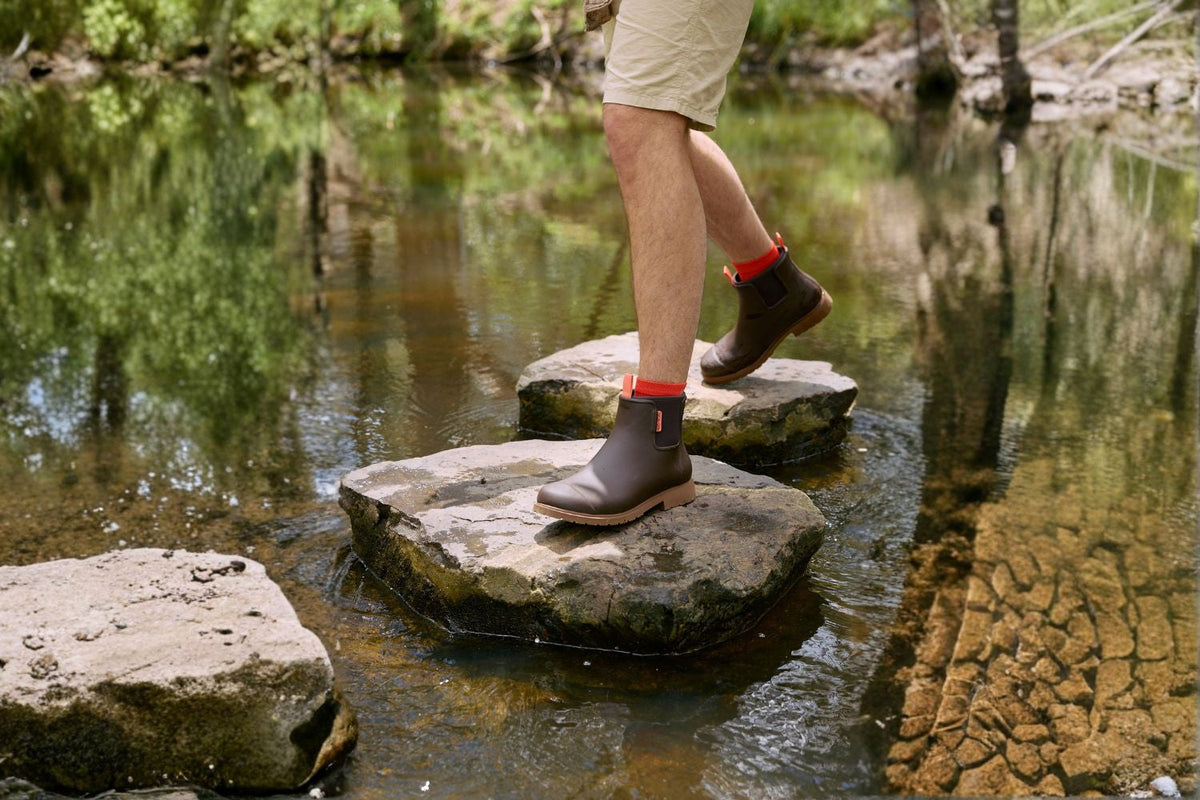
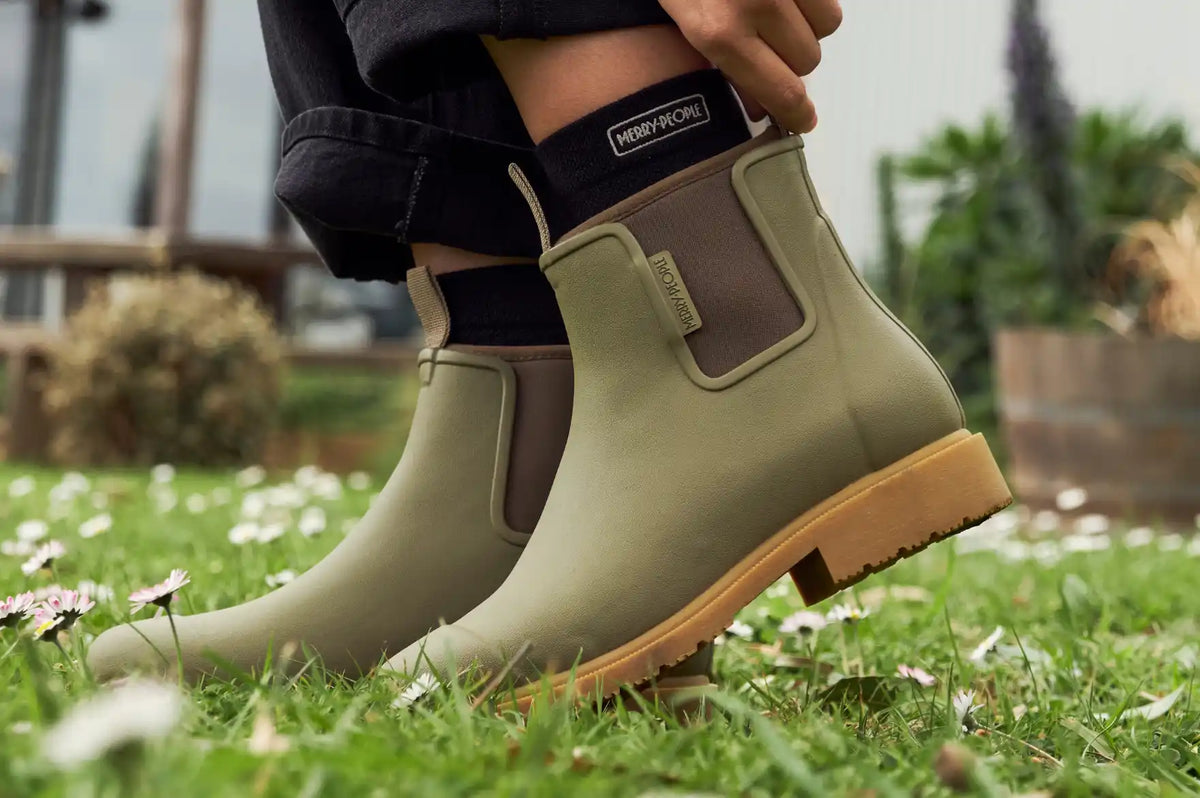
Boots are, by nature, a little more restrictive than the average shoe because they provide additional protection from the elements. Ankle rain boots are a great way to keep your feet protected, warm, and comfortable without the stiffness of a tall boot.
Shock Absorption
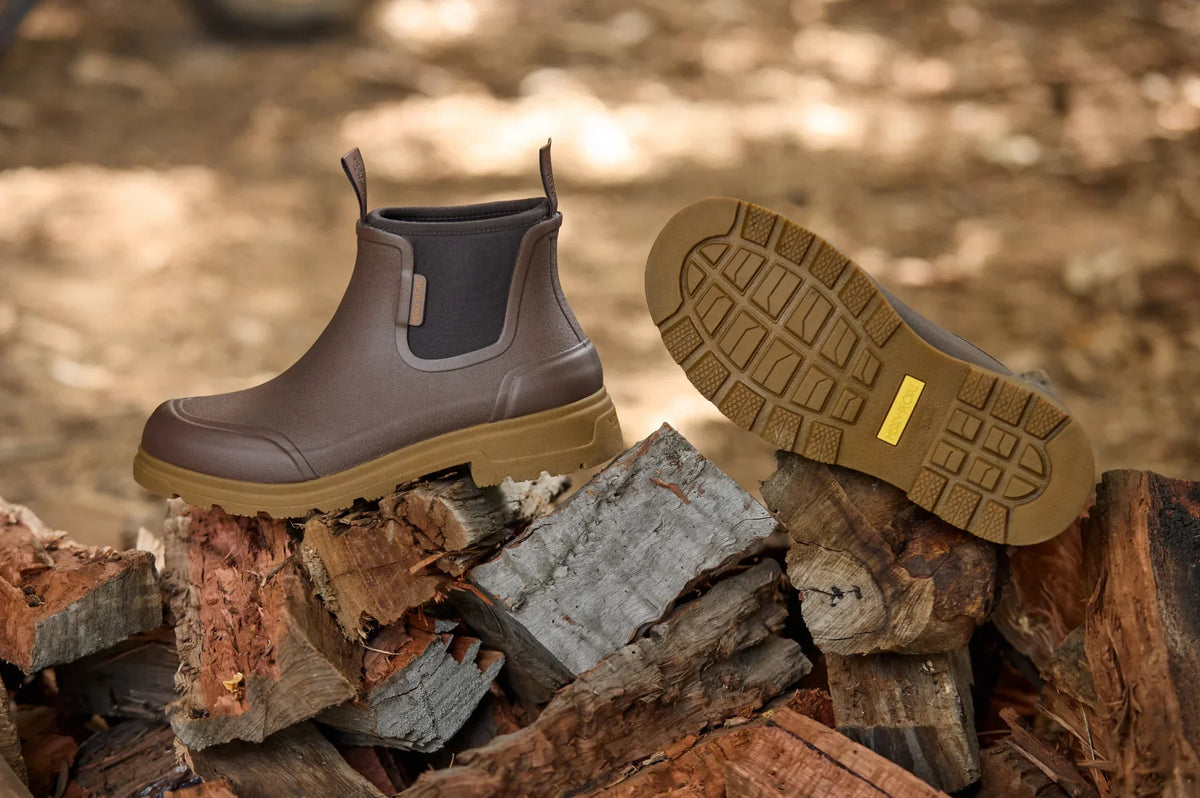
Boots with thick soles naturally absorb more shock than boots without. When you have multiple layers between your feet and the ground, you reduce the amount of stress on your plantar fascia and support your entire foot.
Some boots have midsole and insole cushioning, allowing for support from your forefoot to your heel. Over time, these soles can wear down and stop providing you the benefits you need, which brings us to our next point.
Removable Footbed
Whether your comfortable insole has worn down or you need to replace your existing one with one with more support, a removable footbed will come in handy. Just because your insole wears out doesn’t mean you need to toss your favorite boots in the trash!
With Merry People boots, you can remove your insole easily and replace it with an insole that provides the additional support your foot needs.
Slightly Elevated Heel
High heels and completely flat shoes can both increase the strain on your feet and joints. A slightly elevated heel hits that sweet spot where it lowers strain and can ease the pain you may experience in your heel. Look for boots and shoes with a low, slightly raised heel.
Our Top Picks
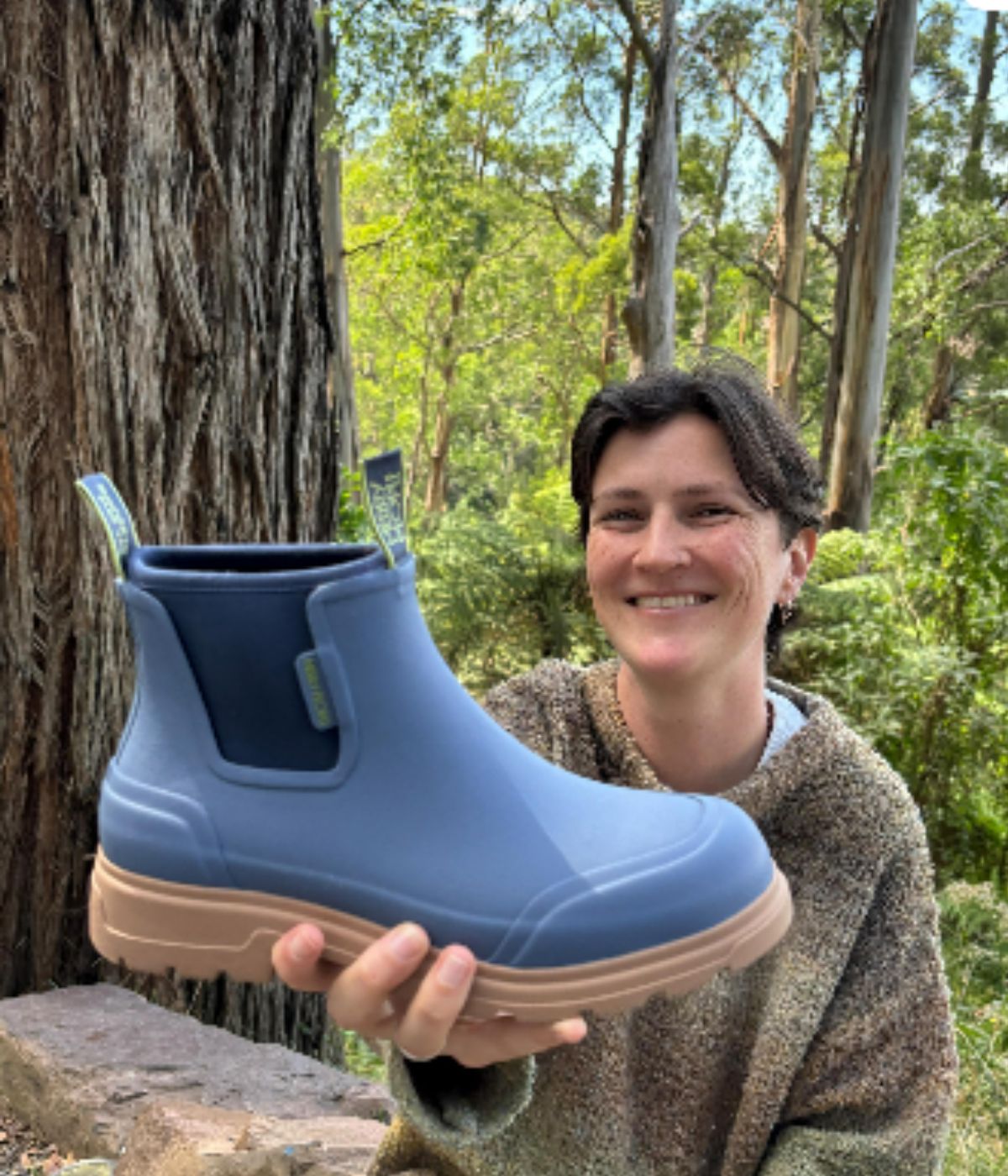
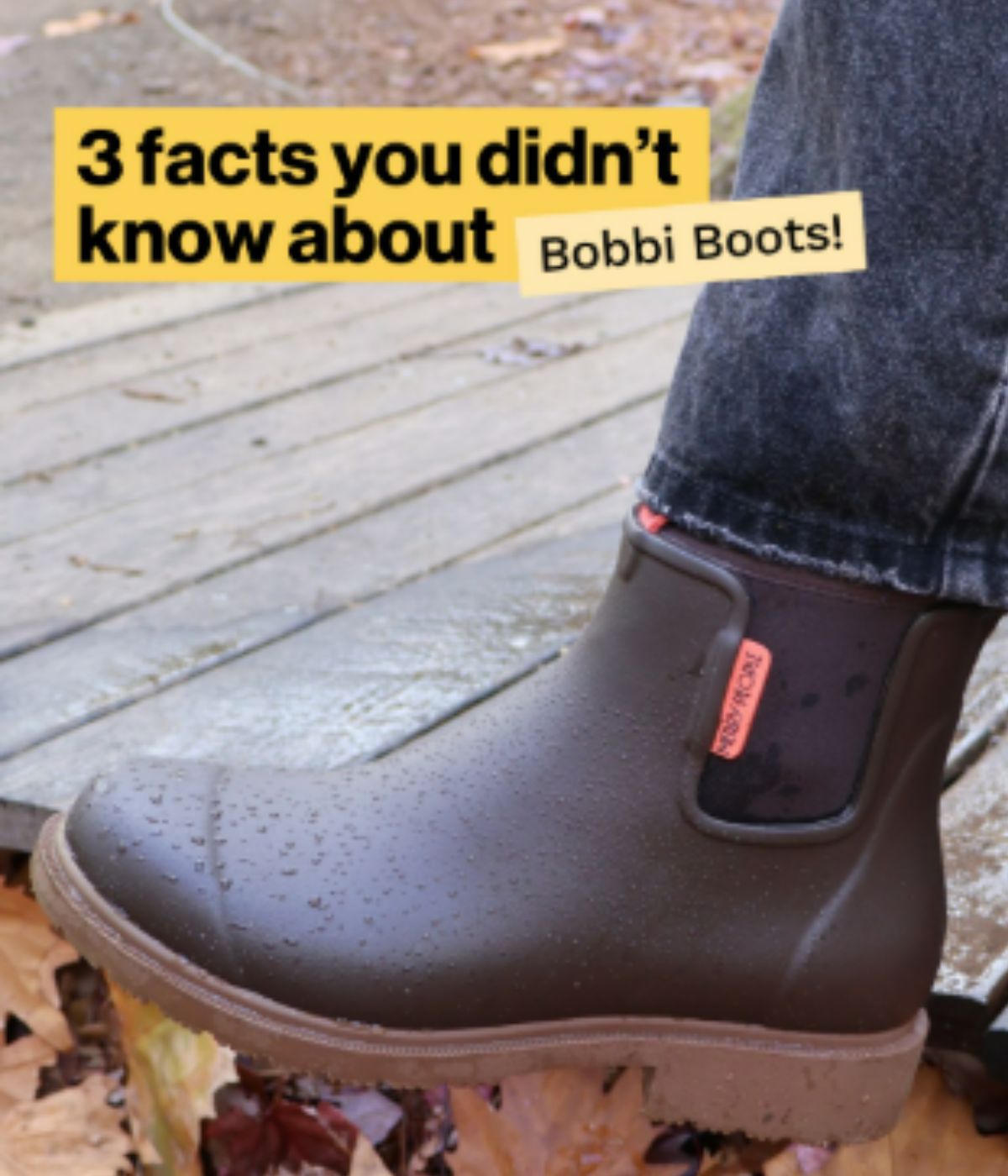
Our Bobbi rain boots check every box for what you need in supportive, comfortable boots. And if you need a little more room, the Oberon is our wide-fit option.
With a natural rubber exterior and soles with built-in arch support, these boots are lined with neoprene to keep your feet comfortable and dry. The best part? These boots will be your best friend through all of life’s expeditions and adventures, because they are built to last and you can easily remove the existing insole and replace it with a new one for continued support.
Our boots are also 100% vegan and never tested on animals, so these are boots you can feel good about and look and feel good in!


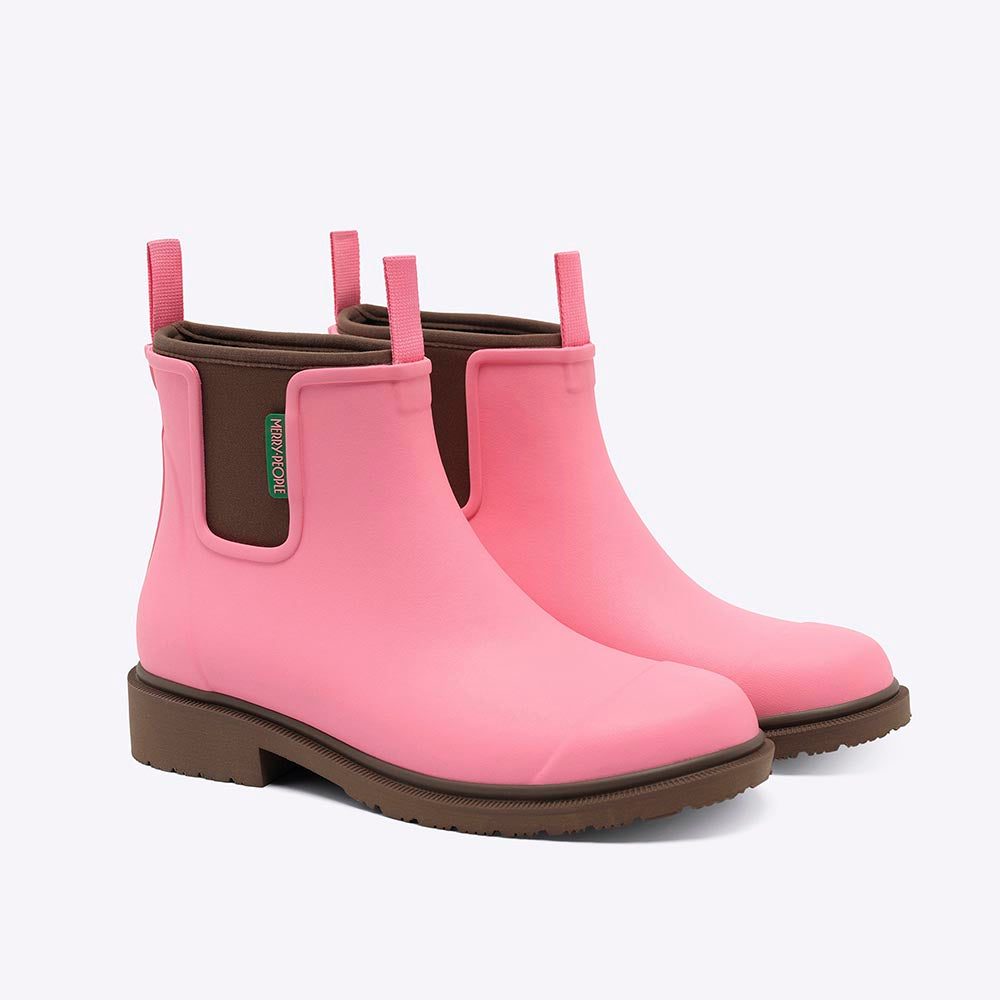
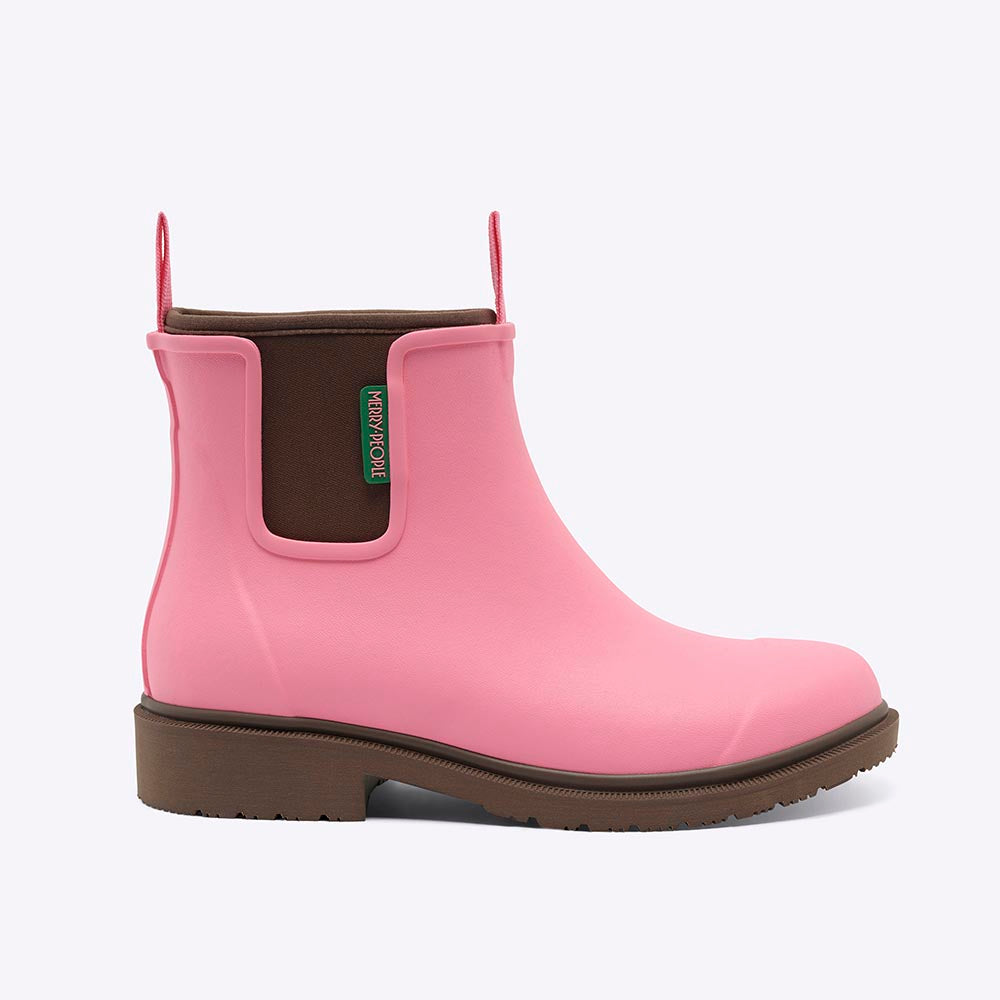


Ready to find your perfect fit? Check out our Bobbi rain boots for a fashionable and flexible option, or try the Oberon for extra room.
As with any foot condition, it’s best to talk to a podiatrist or your doctor about what support is right for you.